
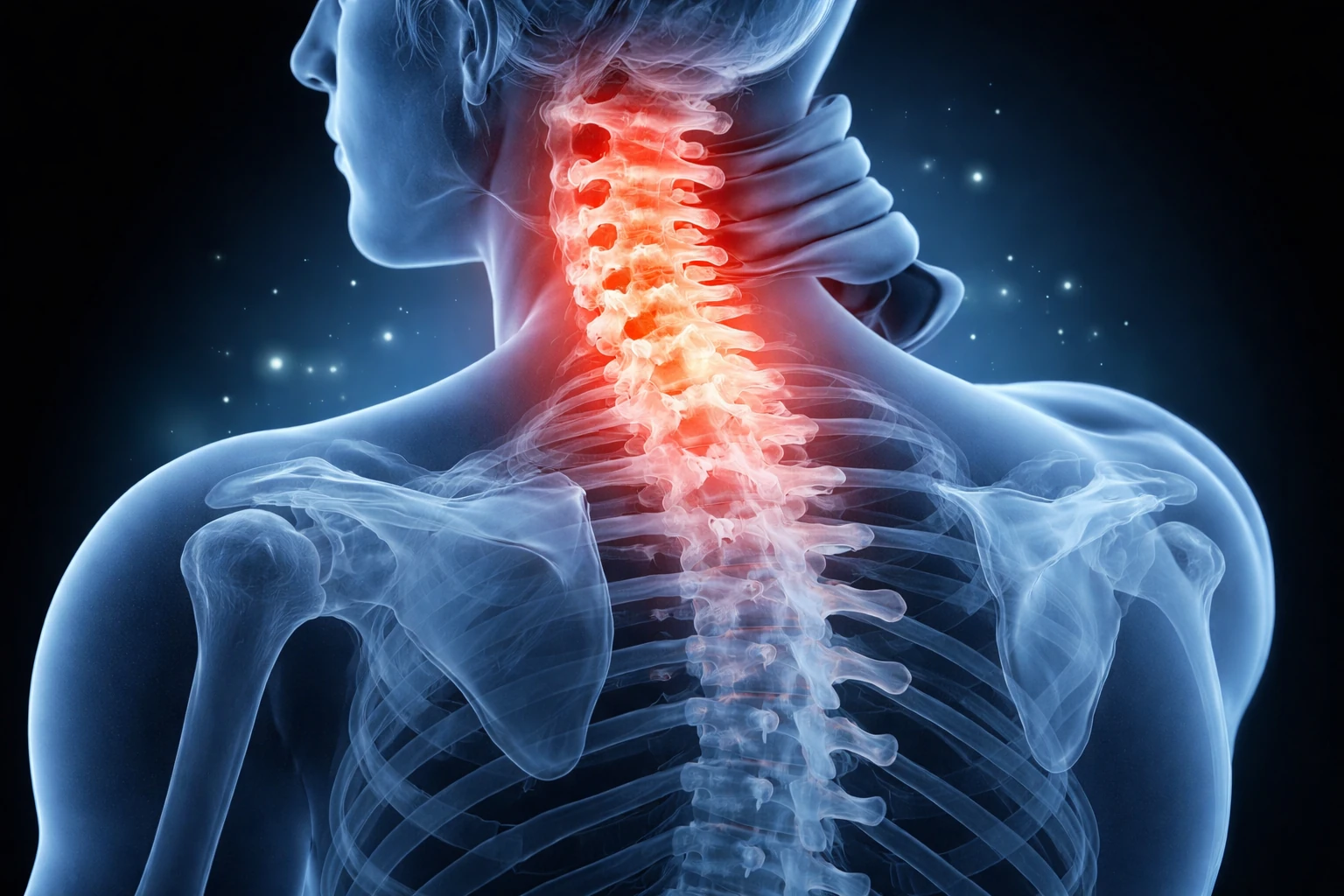
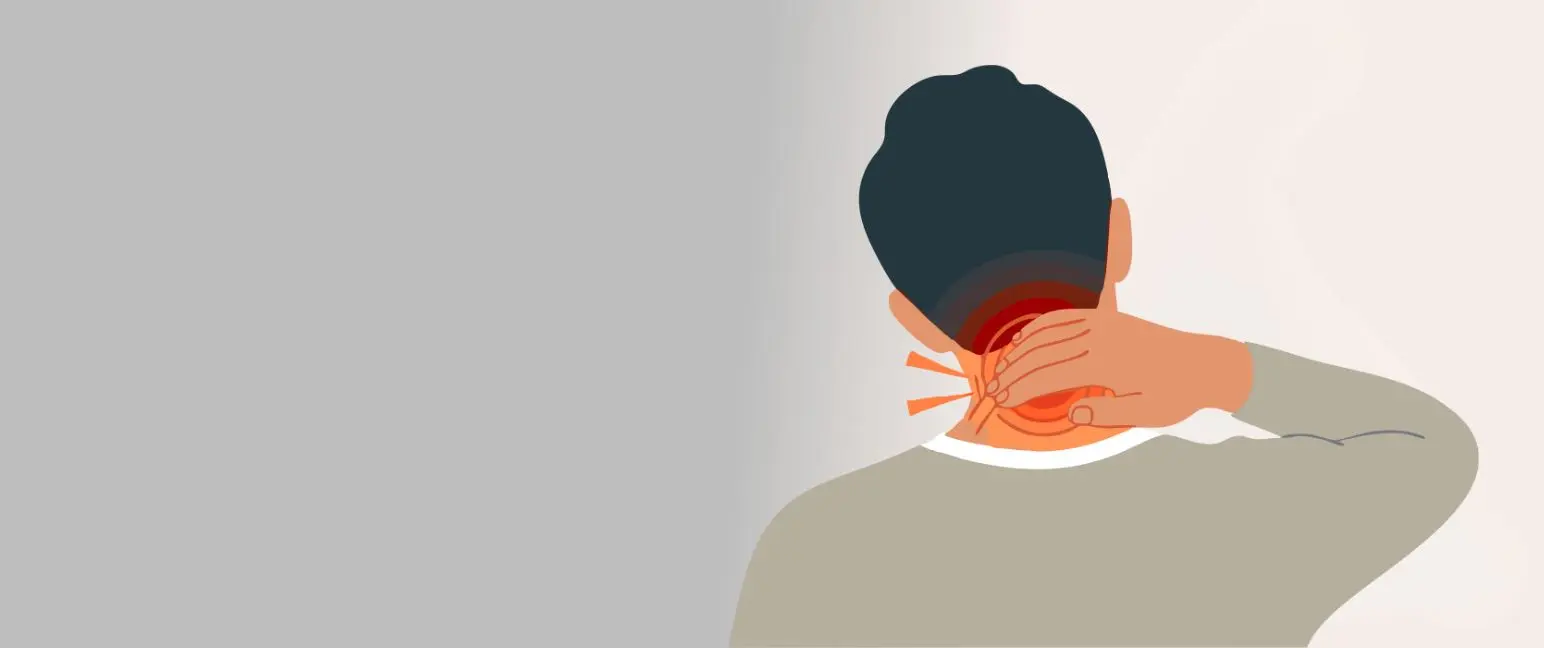



Cervical spondylitis is a degenerative condition impacting the structural integrity of the cervical spine, frequently manifesting as debilitating pain and compressive neuropathy. For many, this diagnosis leads to a crossroads where spinal surgery is presented as the only remaining option.
Alhamdulillah, the non-surgical resolution of these advanced, surgery-recommended cases is precisely our core specialty. We have had the privilege of treating thousands of patients who arrived at our clinic carrying surgical referrals and severe MRI findings. Through our specialized approach to spinal rehabilitation and decompression, we have consistently demonstrated that even in scenarios deemed operable by spine surgeons, full functional recovery is achievable conservatively.
Neck pain
Neck stiffness
Radiating shoulder or arm pain
Tingling or numbness in hands
Reduced neck mobility
Weakness in upper limbs
Frequently asked questions compiled from the source disease page.
Cervical refers to the neck, spondyl to the vertebrae, and -itis to inflammation. Cervical spondylitis refers to inflammatory and degenerative changes affecting the vertebrae and surrounding structures of the neck region
With aging, repeated strain, and poor posture, the cervical spine may undergo degenerative changes. These changes can lead to inflammation, stiffness, and reduced flexibility of the neck
Common symptoms include neck pain that may radiate to the shoulders, arms, forearms, or fingers. Some individuals may experience numbness or tingling in the arms or hands. Other symptoms can include neck stiffness, headache, dizziness, and restricted neck movement.
Age-related wear and tear is a common cause. Other contributing factors include prolonged poor posture (such as desk work), repetitive neck strain, heavy weightlifting, previous neck injuries, and lack of ergonomic support.
Cervical spondylitis is usually a manageable condition. Many patients experience significant symptom relief with appropriate treatment. The degree of recovery depends on the severity of degeneration, duration of symptoms, lifestyle factors, and treatment approach.
In medical terminology, -itis denotes inflammation, while -osis refers to a degenerative condition. Cervical spondylitis emphasizes inflammatory changes, whereas cervical spondylosis refers more broadly to age-related degenerative changes of the cervical spine. In clinical practice, the terms are often used interchangeably.
2026 Copyright reserved.

Contact our clinic for appointments, follow-ups, and treatment guidance.
Monday: 5:30 PM - 9:30 PM
Tuesday: 5:30 PM - 9:30 PM
Wednesday: 5:30 PM - 9:30 PM
Thursday: 5:30 PM - 9:30 PM
Friday: 5:30 PM - 9:30 PM
Saturday: 5:30 PM - 9:30 PM
Sunday: Closed


Your cart is currently empty