
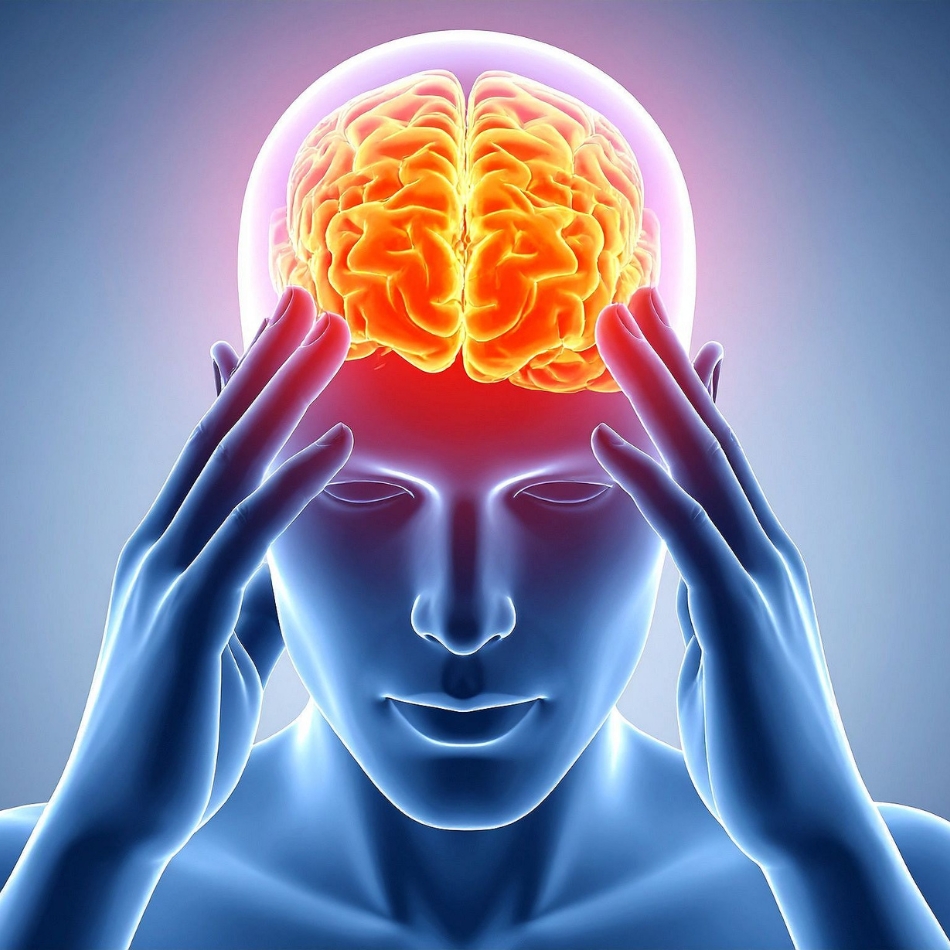




Migraine headaches are a recurrent and painful disorder that can significantly affect daily life, productivity, and overall well-being. It is commonly associated with migraine pain caused by neurovascular inflammation and spasm of blood vessels in the head. Episodes may last from a few hours to several days and often recur. While conventional painkillers may offer short-term relief, they usually do not prevent recurrence or address migraine causes.
Migraine is a chronic neurovascular disorder characterized by recurrent throbbing headaches often associated with nausea, vomiting, and sensitivity to light and sound.
Throbbing one-sided headache
Nausea
Vomiting
Sensitivity to light
Sensitivity to sound
Visual aura
Frequently asked questions compiled from the source disease page.
A headache refers to any pain in the head. Migraine is a specific type of headache caused by complex neurological and vascular mechanisms. All migraines are headaches, but not all headaches are migraines.
Common migraine symptoms may include one-sided or sometimes both-sided head pain, throbbing or pulsating pain, moderate to severe intensity, and episodes triggered or worsened by stress, bright lights, sun exposure, lack of sleep, or hormonal changes (such as before menstruation). Migraines may be accompanied by nausea, vomiting, sensitivity to light or sound, and sometimes visual disturbances known as aura. Episodes can last from a few hours to two or three days.
Migraine headaches result from complex changes in the body involving brain activity, nerve signaling, blood vessel sensitivity, and the release of inflammatory chemicals.
Clinical experience suggests that many individuals with migraine may experience improvement with homeopathic treatment. Homeopathy may help reduce the frequency, duration, and intensity of migraine episodes and may support reduced dependence on conventional medicines in some cases.
The exact reason is not fully understood. Migraine pain is believed to occur due to localized neurovascular changes affecting one side of the brain and its pain pathways. In some individuals, migraine may affect both sides.
Recurrent migraines may be related to genetic predisposition, nervous system sensitivity, hormonal factors, and continued exposure to personal triggers such as stress, sleep disturbance, certain foods, or environmental factors.
2026 Copyright reserved.

Contact our clinic for appointments, follow-ups, and treatment guidance.
Monday: 5:30 PM - 9:30 PM
Tuesday: 5:30 PM - 9:30 PM
Wednesday: 5:30 PM - 9:30 PM
Thursday: 5:30 PM - 9:30 PM
Friday: 5:30 PM - 9:30 PM
Saturday: 5:30 PM - 9:30 PM
Sunday: Closed


Your cart is currently empty