
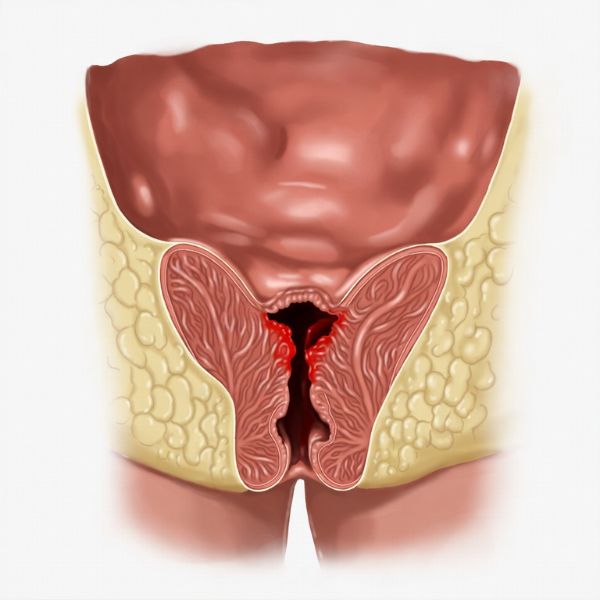

Fissure-in-ano, commonly known as an anal fissure, refers to a deep tear or cut in the lining of the anal canal. This condition is often associated with severe pain during and after bowel movements, sometimes lasting for several hours. Bleeding, burning sensations, and fear of passing stools are commonly reported, especially in recurrent or long-standing cases. Anal fissures typically develop due to excessive strain during bowel movements, hard stools, chronic constipation, or repeated irritation of the anal lining.
Fissure-in-ano is a painful tear in the anal canal lining causing sharp pain, burning sensation, bleeding during bowel movements, and sphincter spasm. Chronic cases may involve scar tissue and recurrence.
Severe pain during bowel movements
Burning or cutting sensation
Bleeding in stool
Anal spasm or tightness
Skin tag in chronic cases
Chronic constipation
Frequently asked questions compiled from the source disease page.
Fissures in the anus are called fissure-in-ano. They are simply cuts in the mucus membrane of the anus. Piles are distended veins that tend to bleed and cause pain. Pain in the anus and bleeding from the anus are common symptomsfor both fissures and piles.
There is no difference between these two terminologies. Fissure-in-ano is a medical term for anal fissures.
The most common causes of anal fissures are chronic constipation or diarrhoea. Repeated strain and friction on the delicate anus can cause cuts.
Mild anal fissures may heal without any medicines or surgery. Moderate fissures may need medicines and treatment. Very severe, resistant fissures may at times need surgery. Homeopathic medicines are known to heal many cases of fissure-in-ano.
Clinically, it is observed that homeopathy is very effective in the treatment of fissure-in-ano or anal fissures.
The duration of treatment depends on the cause, severity, and chronicity of fissure-in-ano. In general, mild and recent cases may improve within days, moderate cases may take weeks, and very severe or recurring cases may take six to eight months or more.
2026 Copyright reserved.

Contact our clinic for appointments, follow-ups, and treatment guidance.
Monday: 5:30 PM - 9:30 PM
Tuesday: 5:30 PM - 9:30 PM
Wednesday: 5:30 PM - 9:30 PM
Thursday: 5:30 PM - 9:30 PM
Friday: 5:30 PM - 9:30 PM
Saturday: 5:30 PM - 9:30 PM
Sunday: Closed


Your cart is currently empty