
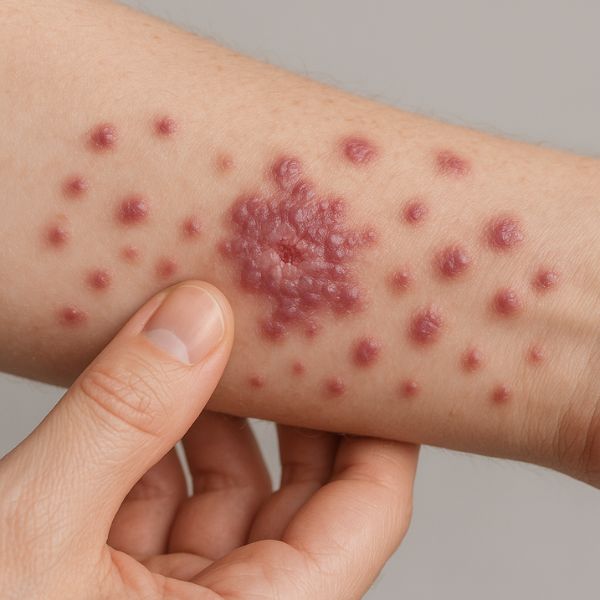
Lichen planus is a chronic autoimmune condition that can affect the skin, mouth, nails, scalp, or genitals and is often marked by persistent flare-ups and recurrences. At Homeopathic Consultant, we have studied and managed this condition for over four decades and have treated more than 750 cases worldwide (as of November 2025), gaining deep clinical insight into lichen planus treatment and long-term management.
Lichen planus is a chronic autoimmune, non-infectious inflammatory condition affecting the skin, oral cavity, scalp, nails, and genitals, characterized by persistent flare-ups and immune-mediated tissue damage.
Raised pink or purple skin eruptions
Severe itching
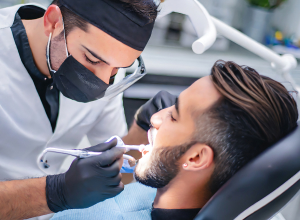
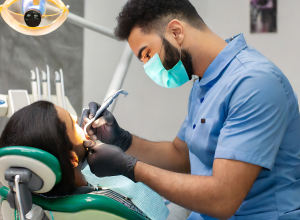
Oral white streaks or ulcers
Burning sensation in mouth
Scalp scarring and hair loss
Genital discomfort or pain
Frequently asked questions compiled from the source disease page.
Lichen planus may affect the skin, mouth (oral cavity), nails, scalp, and genitals. Not all areas are affected in every individual. Most cases involve only the skin, while some may also involve the mouth, scalp, nails, or genitals. Only a small proportion of patients experience involvement of multiple sites.
Oral lichen planus may be more troublesome because it can cause pain, burning, and difficulty in eating or speaking. It is often more persistent and relatively more difficult to manage compared to skin lichen planus.
A small percentage of oral lichen planus cases may show malignant transformation over time. Reported risk is generally low (around 1–3%). Regular follow-up and, when indicated, biopsy are important for monitoring any suspicious changes.
Yes, lichen planus can recur, especially if treated only with symptomatic measures such as corticosteroids. Relapses are commonly observed after stopping treatment in many patients.
Homeopathic treatment is individualized and aims to address immune sensitivity and overall health. In clinical practice, many patients report improvement in symptoms and long-term disease control with homeopathy.
It is not appropriate to claim that every case can be cured. Clinical experience suggests that a significant proportion of patients may achieve good symptom control and recovery, but results vary from person to person
2026 Copyright reserved.

Contact our clinic for appointments, follow-ups, and treatment guidance.
Monday: 5:30 PM - 9:30 PM
Tuesday: 5:30 PM - 9:30 PM
Wednesday: 5:30 PM - 9:30 PM
Thursday: 5:30 PM - 9:30 PM
Friday: 5:30 PM - 9:30 PM
Saturday: 5:30 PM - 9:30 PM
Sunday: Closed

Your cart is currently empty