

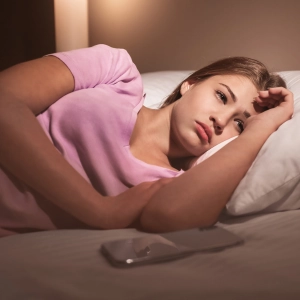

Sleep is a basic human need. Sleeplessness, or insomnia, is a common concern that affects overall well-being, concentration, and emotional balance. Sleeplessness suggests that the body’s recuperative mechanism is at fault. Many people rely on sleeping pills; however, these chemical-based medicines can be habit-forming and may lead to long-term dependence.
A sleep disorder marked by difficulty falling asleep, staying asleep, or achieving restful sleep.
Individualized case assessment for Sleeplessness (Insomnia)
Focus on root-cause and trigger management
Regular follow-up to track progress
Lifestyle and nutritional review where needed
Early treatment can improve outcomes
Long-term management aims to reduce recurrence
Frequently asked questions compiled from the source disease page.
There is no major difference between sleeplessness and insomnia. Insomnia is the medical term used to describe the condition of persistent difficulty in falling asleep, staying asleep, or getting restful sleep.
Sleeplessness is often a symptom and may be associated with several underlying conditions such as anxiety, depression, asthma, chronic pain, hormonal imbalance, and stress-related disorders.
If sleeplessness continues for more than one week or starts affecting daily functioning, mood, or health, it is advisable to consult a doctor for proper evaluation.
Yes, sleeplessness caused by temporary factors such as stress, lifestyle changes, or minor health disturbances may resolve on its own without medication.
Prolonged insomnia may affect overall health by impacting the cardiovascular system, metabolism, hormones, immune function, mental health, and concentration levels.
Yes, stress and anxiety can significantly disrupt sleep patterns by reducing sleep duration, causing frequent awakenings, and lowering sleep quality.
2026 Copyright reserved.

Contact our clinic for appointments, follow-ups, and treatment guidance.
Monday: 5:30 PM - 9:30 PM
Tuesday: 5:30 PM - 9:30 PM
Wednesday: 5:30 PM - 9:30 PM
Thursday: 5:30 PM - 9:30 PM
Friday: 5:30 PM - 9:30 PM
Saturday: 5:30 PM - 9:30 PM
Sunday: Closed


Your cart is currently empty