
## Psoriasis (Chronic Immune-Mediated Skin Disease) | Homoeopathic Consultants, Karachi
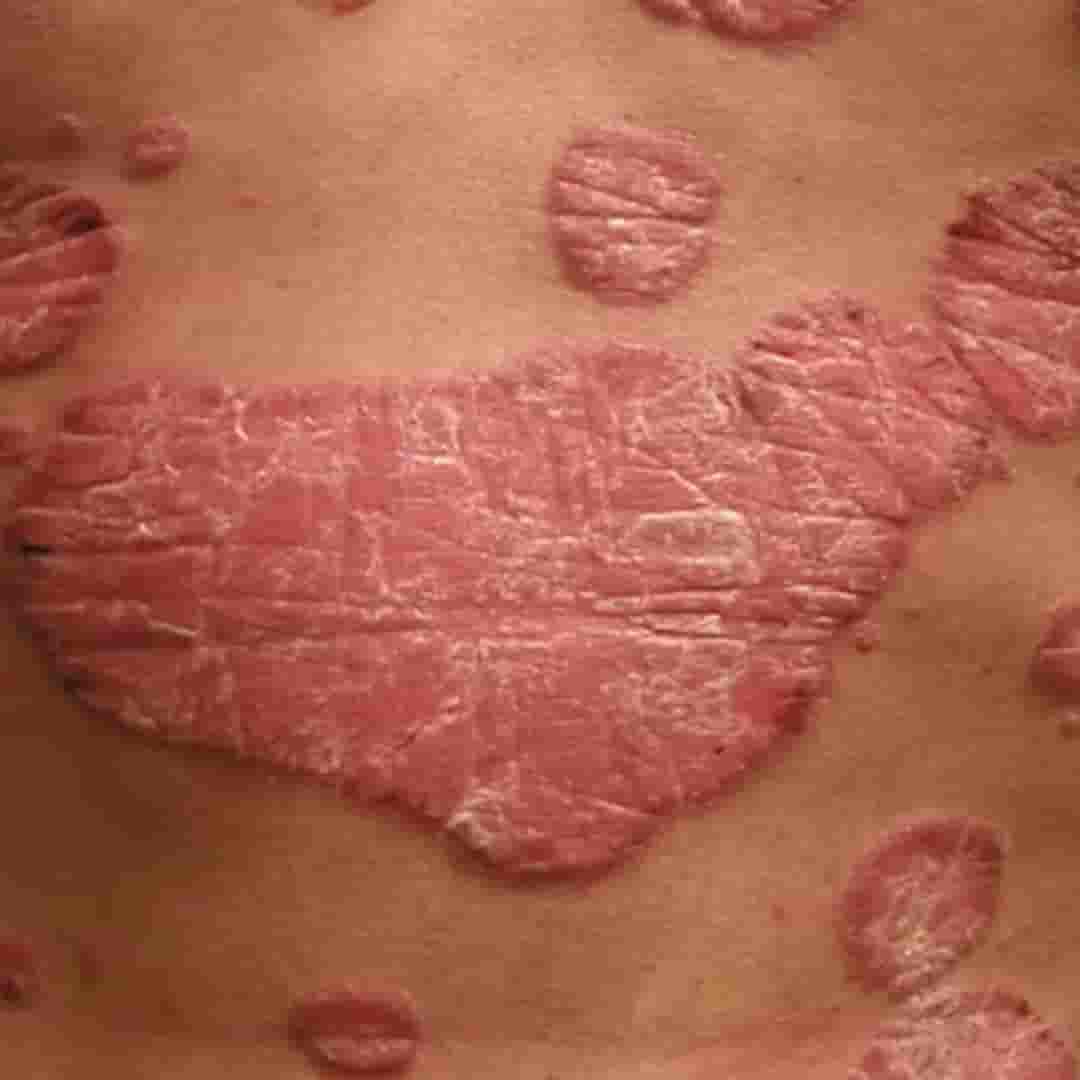
Psoriasis is a chronic, immune-mediated inflammatory skin condition in which immune cells (especially T cells) become overactive and trigger inflammation in the skin. This leads to accelerated skin-cell turnover, causing well-defined red plaques with thick, silvery scaling. It commonly affects the scalp, elbows, knees, hands/feet, and lower back, and may occur in children or adults. Psoriasis typically follows a relapsing course, with periods of flare and remission, and can persist for years.
Reasons and contributing factors (why psoriasis happens and what triggers flares):
- Genetic tendency: it often runs in families and may be linked to immune-related genes.
- Immune dysregulation: inflammatory signals (e.g., TNF-alpha and interleukins) drive rapid skin growth and persistent redness and scaling.
- Infections: especially throat infections (e.g., streptococcal) can trigger or worsen flares.
- Stress and sleep disturbance: may precipitate flare-ups.
- Skin injury: cuts, burns, friction, or scratching can cause new lesions (Koebner phenomenon).
- Weather and dryness: cold, dry seasons commonly worsen symptoms.
- Medicines and lifestyle factors: certain medicines, smoking, excess weight, and alcohol may increase severity in some individuals.
At Homoeopathic Consultants, Karachi, Dr Arham provides clinical evaluation and individualized homoeopathic care. We have treated many patients successfully, Alhamdulillah.
Patient Testimonials (Pakistan):
- “My scalp psoriasis improved within weeks; itching reduced a lot.” Ayesha, Karachi
- “Patches on elbows and knees became lighter and less scaly.” Bilal, Lahore
- “After months of flare-ups, I finally got consistent relief.” Sana, Islamabad
- “The redness and cracking on my hands settled significantly.” Farhan, Rawalpindi
- “I was embarrassed to wear short sleeves, now the plaques are much calmer.” Hina, Multan
- “Clear guidance and follow-up; my flare frequency reduced.” Ahmed, Hyderabad
*Homoeopathic Consultants, Karachi | Dr Arham*
Red scaly skin patches
Silvery scales
Itching and irritation
Dry cracked skin
Nail pitting or discoloration
Joint pain (psoriatic arthritis)
Frequently asked questions compiled from the source disease page.
Psoriasis is a chronic immune-mediated skin condition in which immune cells, especially T-cells, become overactive and release inflammatory cytokines. This leads to excessive production of skin cells, inflammation, and the formation of thick, scaly patches on the skin. Genetic and environmental factors both play a role in its development.
“Stage 4” generally refers to a severe form of psoriasis with extensive skin involvement affecting large areas of the body. Such cases may be more persistent and difficult to manage. Some patients may also develop associated joint involvement known as psoriatic arthritis.
Homeopathic treatment is based on an individualized approach and aims to support the body’s self-regulatory mechanisms and immune balance. Conventional treatments typically focus on reducing inflammation and suppressing immune activity through topical or systemic medications.
Homeopathic treatment may help reduce skin inflammation and immune hypersensitivity, which can lead to improvement in itching, redness, and scaling in many patients.
Itching in psoriasis results from immune-driven inflammation, increased sensitivity of skin nerves, and disruption of the skin barrier, which together cause dryness, irritation, and persistent itch.
Lifestyle measures that may support psoriasis management include reducing stress, maintaining regular sleep, using gentle skin care, and avoiding personal dietary or environmental triggers. Some individuals may benefit from limiting alcohol, smoking, and highly processed or inflammatory foods.
2026 Copyright reserved.

Contact our clinic for appointments, follow-ups, and treatment guidance.
Monday: 5:30 PM - 9:30 PM
Tuesday: 5:30 PM - 9:30 PM
Wednesday: 5:30 PM - 9:30 PM
Thursday: 5:30 PM - 9:30 PM
Friday: 5:30 PM - 9:30 PM
Saturday: 5:30 PM - 9:30 PM
Sunday: Closed

Your cart is currently empty