
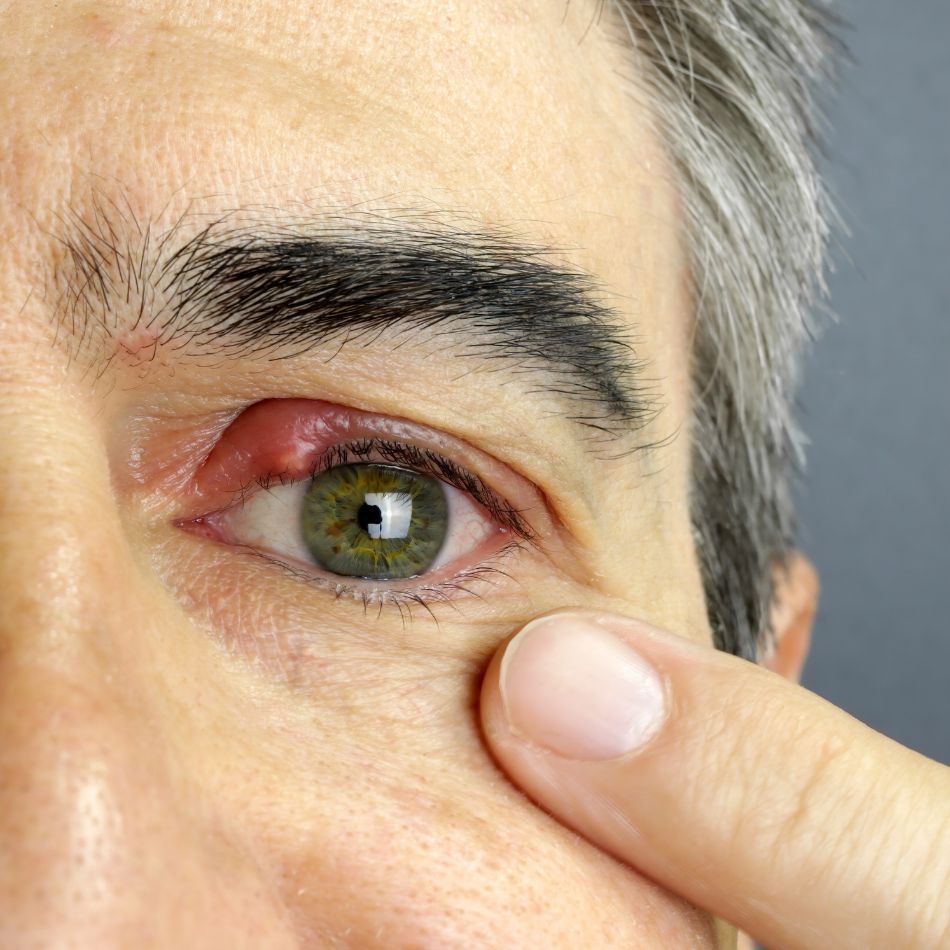



A chalazion is a common eyelid condition that often develops following repeated styes or chronic eyelid inflammation. It appears as a painless lump under the eyelid and may affect one or both eyes. While chalazion treatment is frequently approached surgically, many cases—especially early or recurrent ones—may improve with conservative care and chalazion treatment without surgery.
A chalazion is a painless eyelid swelling caused by blockage of a meibomian oil gland. It may develop after a stye and can recur if underlying gland blockage persists.
Painless eyelid lump
Mild eyelid swelling
Redness
Eyelid heaviness
Mild tenderness
Tingling or irritation
Frequently asked questions compiled from the source disease page.
A chalazion is a slow-growing, usually painless, cyst-like swelling on the eyelid caused by blockage of a meibomian (oil) gland. In many cases, it may develop following a stye.
A stye (hordeolum) is an acute, painful infection that usually resolves within a few days. A chalazion is a chronic, noninfectious swelling that develops due to a blocked gland and may persist for weeks or months.
Recurrent chalazion may be related to factors such as chronic eyelid inflammation, oily skin, blepharitis, hormonal influences, or individual susceptibility to gland blockage.
Yes, in many cases, a chalazion can be managed without surgery. Conservative measures and medical treatment are often effective, especially in early or moderate cases.
Homeopathic treatment is individualized and may help reduce inflammation, discomfort, and the tendency for cyst formation. Some patients report a gradual reduction in size and recurrence with appropriate homeopathic care.
The exact biological mechanism of homeopathic medicines is not fully understood. However, clinical experience suggests that some individuals may experience resolution of single or multiple chalazia with homeopathic treatment.
2026 Copyright reserved.

Contact our clinic for appointments, follow-ups, and treatment guidance.
Monday: 5:30 PM - 9:30 PM
Tuesday: 5:30 PM - 9:30 PM
Wednesday: 5:30 PM - 9:30 PM
Thursday: 5:30 PM - 9:30 PM
Friday: 5:30 PM - 9:30 PM
Saturday: 5:30 PM - 9:30 PM
Sunday: Closed


Your cart is currently empty